Marketing has always been an important part of growing a business. Whether a company is trying to introduce a new product, attract customers, increase sales, or build brand awareness, marketing helps communicate its value to the people it wants to reach.
Today, businesses have many different marketing options available. Two broad approaches are digital marketing and traditional marketing.
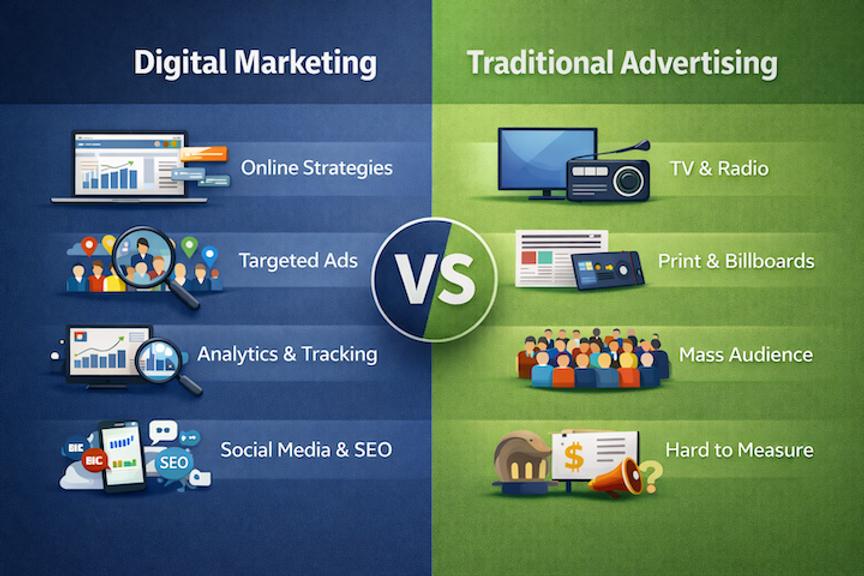
Traditional marketing has been used for decades through channels such as television, radio, newspapers, magazines, billboards, flyers, and direct mail. Digital marketing, on the other hand, uses internet-based channels such as search engines, social media, websites, email, and online advertising.
Both approaches can serve different purposes. Understanding their differences can help businesses decide which marketing methods are appropriate for their goals and target audience.
What Is Digital Marketing?
Digital marketing is the promotion of products, services, or brands through digital channels.
Some common examples include:
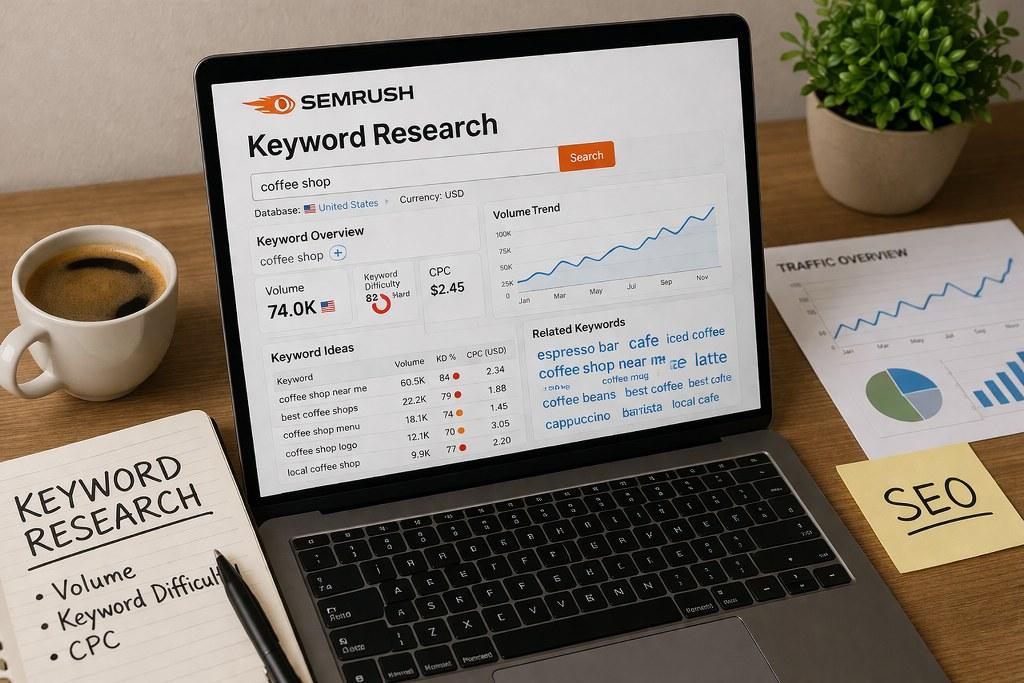
- Search Engine Optimization (SEO)
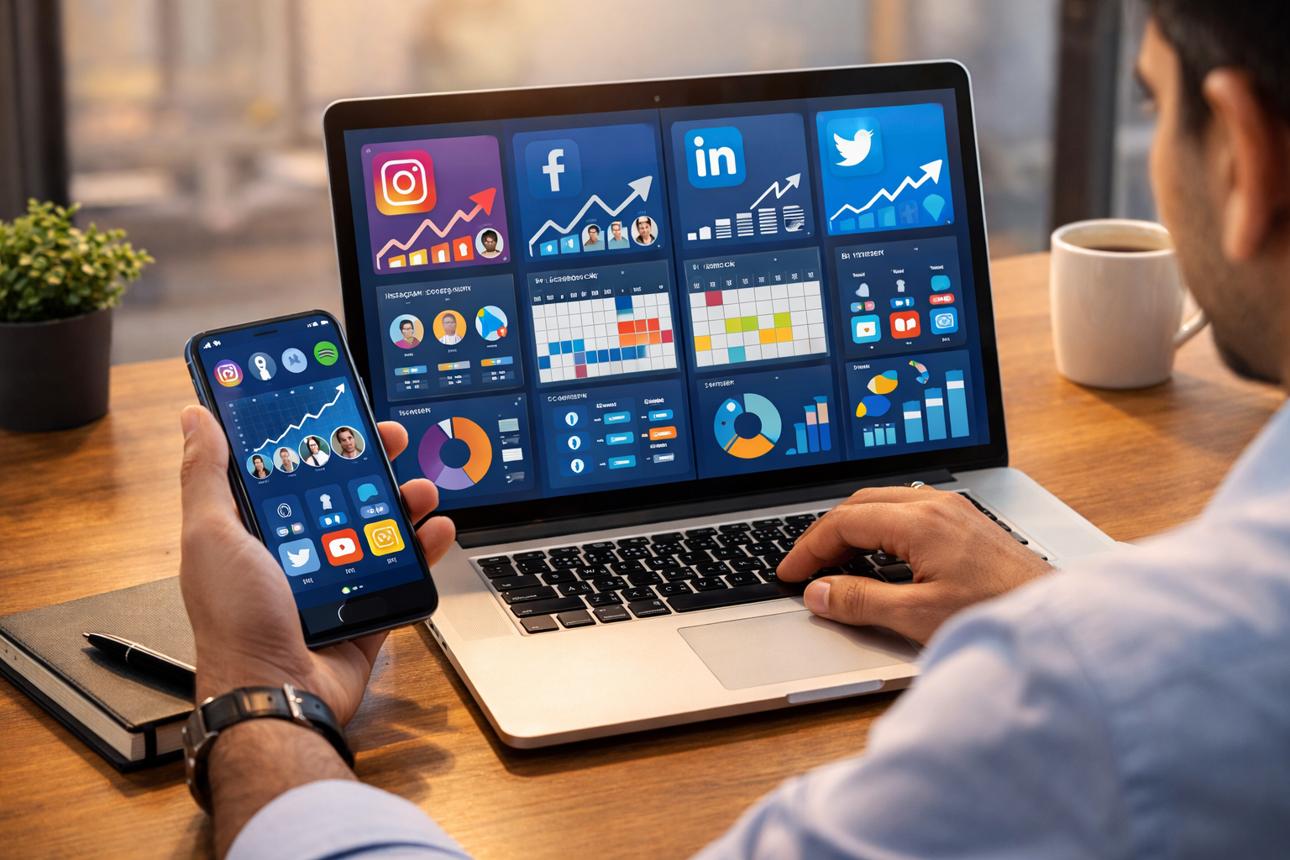
- Social media marketing
- Content marketing
- Email marketing
- Google Ads
- Social media advertising
- Website marketing
- Online video marketing
For example, a business could publish an SEO article that appears in search results when potential customers search for relevant information. It could also use Instagram to share content or run an online advertising campaign targeting a specific audience.
Digital marketing gives businesses many ways to communicate with potential customers online.
What Is Traditional Marketing?
Traditional marketing refers to marketing methods that do not primarily depend on internet-based channels.
Examples include:
- Television advertisements
- Radio advertisements
- Newspapers
- Magazines
- Billboards
- Flyers
- Posters
- Brochures
- Direct mail
For example, a restaurant might place a billboard near a busy road or distribute flyers within its local area.
Traditional marketing can still be useful, particularly when businesses want to reach audiences through physical or mass-media channels.
Digital Marketing vs Traditional Marketing
Although both approaches have the same broad objective of promoting a business, they operate differently.
1. Where the Audience Is Reached
One of the biggest differences is the environment in which customers encounter the marketing message.
Digital marketing reaches people through internet-connected platforms. Customers may see advertisements while using social media, searching Google, reading websites, watching videos, or checking their email.
Traditional marketing reaches people through channels such as television, radio, print media, and physical advertising.
The right option depends partly on where a business’s target audience spends its time.
2. Targeting
Digital marketing can provide businesses with detailed targeting options, particularly when using online advertising platforms.
Depending on the platform and campaign, businesses may be able to target audiences based on factors such as location, demographics, interests, or online behavior.
For example, a local business in Lagos may want its online advertising to focus on people within a particular geographic area.
Traditional advertising can also target specific audiences, but the targeting methods can be different.
A company advertising on a radio station, for example, may choose a station whose listeners match the audience it wants to reach.
3. Measuring Results
Another major difference is how marketing performance can be measured.
Digital marketing platforms often provide detailed data about campaigns and website activity.
Businesses may be able to track metrics such as:
- Impressions
- Clicks
- Click-through rate
- Website visits
- Engagement
- Leads
- Conversions
- Cost per click
- Return on investment
For example, an online advertising campaign can show how many people clicked an advertisement and how many completed a desired action.
Traditional marketing can also be measured, but some forms of traditional advertising may make it more difficult to directly connect an advertisement with a specific customer action.
Businesses may use surveys, promotional codes, dedicated phone numbers, sales data, or other methods to evaluate the effectiveness of traditional campaigns.
4. Communication With Customers
Digital marketing provides opportunities for two-way communication.
Customers can comment on social media posts, send direct messages, respond to emails, leave reviews, and interact with businesses through websites.
Traditional marketing is often more one-directional. A television advertisement, billboard, or newspaper advertisement delivers a message to an audience, but the audience may not have an immediate way to respond directly through the same channel.
However, traditional marketing can still encourage customers to visit a website, make a phone call, visit a store, or take another action.
5. Speed and Flexibility
Digital marketing campaigns can often be created, changed, or adjusted relatively quickly.
For example, if an online advertisement is not performing as expected, a marketer may be able to change the audience, creative, budget, or messaging.
Social media content can also be updated quickly.
Traditional marketing materials can require more preparation.
A billboard campaign, printed brochure, or magazine advertisement may need to be designed, produced, distributed, and displayed before customers can see it.
This can make some traditional campaigns less flexible once they have been launched.
6. Cost
The cost of marketing depends on the channel, audience, location, campaign duration, and many other factors.
Digital marketing can provide options for businesses with different budgets. For example, a company can create organic social media content without paying directly for every post, while paid advertising can be run with a specific budget.
Traditional marketing can also have different price levels. A small business might print flyers, while a larger company could purchase television or billboard advertising.
Therefore, it is difficult to say that one approach is always cheaper than the other. Businesses should consider the expected audience, objectives, resources, and potential return when evaluating marketing costs.
7. Building Long-Term Visibility
Some digital marketing activities can continue providing value after the initial work has been completed.
For example, a useful blog article optimized for search engines may continue attracting visitors through organic search over time.
Similarly, a business can build a social media library containing educational and promotional content that potential customers can discover later.
Traditional marketing campaigns are often tied to a particular period or physical placement.
For example, a billboard may be displayed for a specific number of weeks, while a newspaper advertisement appears in a particular edition.
This does not make one approach automatically better. It simply means the two approaches can have different timelines and methods of reaching audiences.
Can Businesses Use Both?
Yes. Businesses do not necessarily have to choose between digital marketing and traditional marketing.
A company can combine different marketing channels as part of an integrated marketing strategy.
For example, a local restaurant could:
- Advertise on local radio
- Distribute flyers
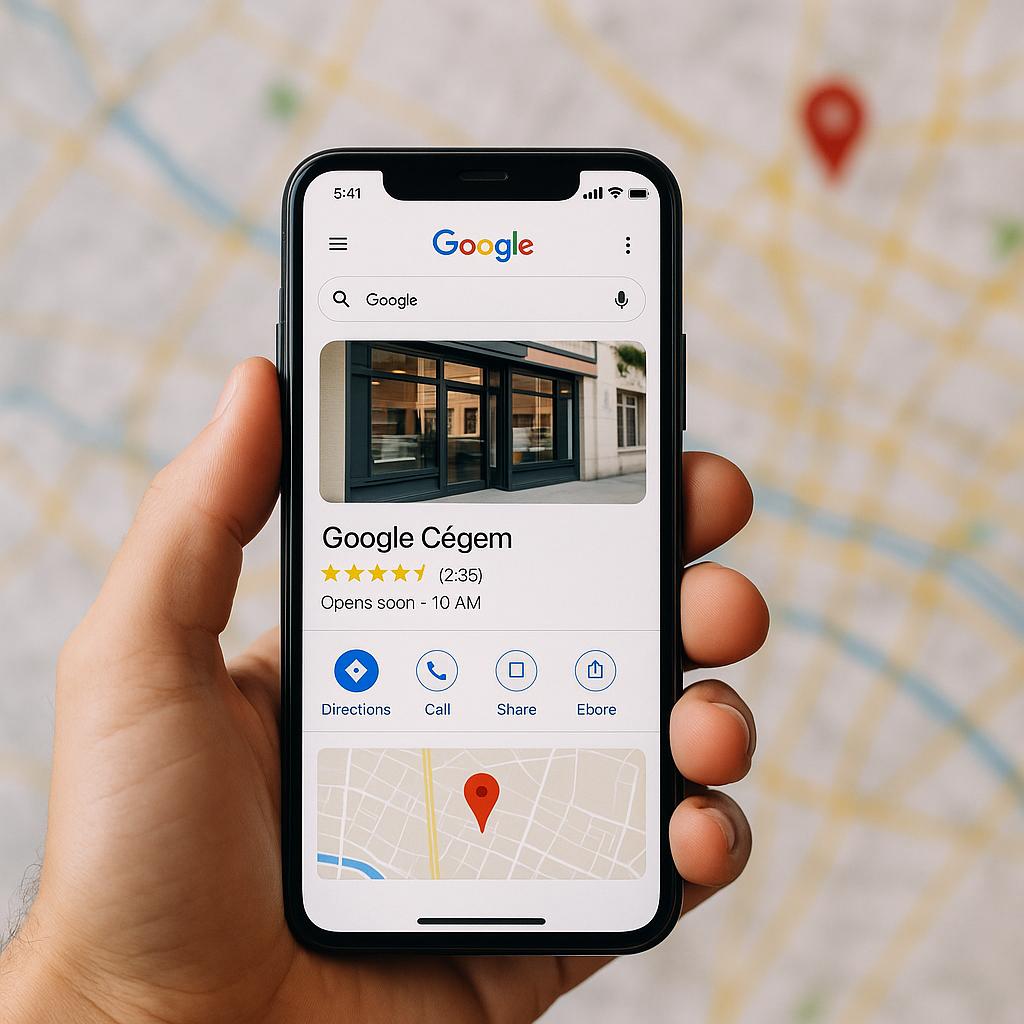
- Maintain a Google Business Profile
- Post content on Instagram
- Run online advertisements
- Publish useful content on its website
These channels can support one another.
Someone might see a restaurant’s flyer, later search for the restaurant online, check its Google Business Profile, view its social media page, and eventually visit the restaurant.
Using multiple channels can help businesses reach customers at different stages of their decision-making process.
Which Marketing Approach Should a Business Use?
There is no single marketing strategy that works for every business.
The appropriate approach depends on factors such as:
- Target audience
- Business location
- Marketing objectives
- Industry
- Available budget
- Product or service
- Customer behavior
- Campaign timeframe
A business targeting younger customers who spend significant time on social media may place more emphasis on digital channels.
A local company targeting a broad audience within a particular geographic area may also consider radio, billboards, or flyers alongside its digital presence.
The important thing is to understand the audience before choosing the marketing channels.
How NexaGrow Digital Can Help
At NexaGrow Digital, we believe businesses should approach marketing strategically rather than simply choosing channels because they are popular.
Digital marketing can include SEO, social media marketing, content marketing, website optimization, email marketing, and online advertising.
By understanding a company’s goals and target audience, businesses can determine which digital channels are most relevant to their marketing objectives.
Digital marketing can also complement traditional marketing activities, creating a more connected experience for potential customers.
Final Thoughts
Digital marketing and traditional marketing are two different approaches to promoting a business.
Digital marketing uses internet-based channels such as search engines, social media, websites, email, and online advertising, while traditional marketing uses channels such as television, radio, newspapers, billboards, and printed materials.
Digital marketing offers opportunities for online interaction, detailed measurement, and flexible campaigns. Traditional marketing can provide access to audiences through established media and physical advertising channels.
Rather than viewing the two approaches as complete opposites, businesses can consider how different marketing channels can work together.
The most useful marketing strategy depends on the business, its customers, its objectives, and the resources available. By understanding these factors, businesses can make more informed decisions about how to reach and communicate with their target audience.